
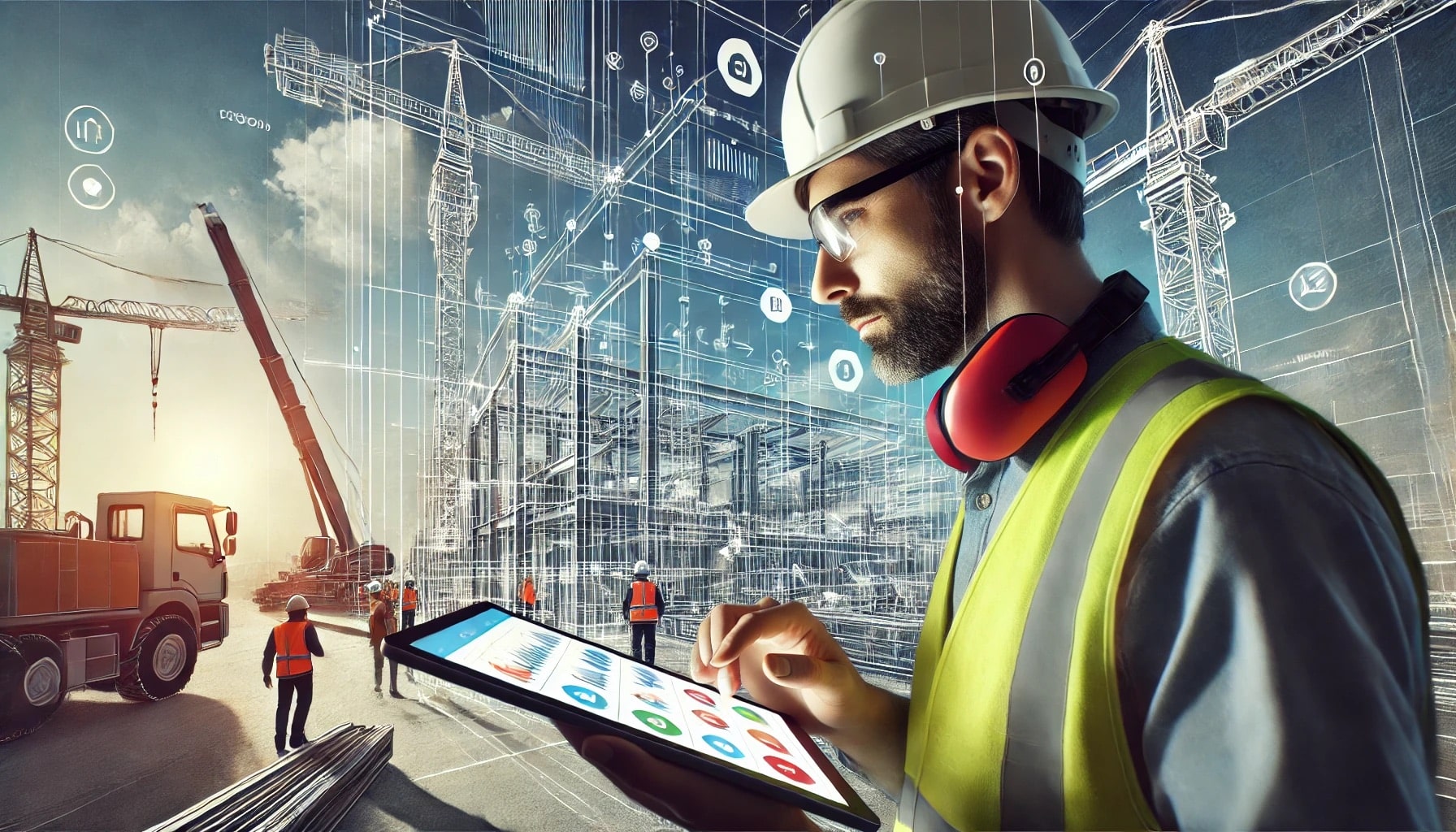
Construction has always been about planning, precision, and performance. Traditional workflows, from paper-based reports to manual project tracking, often cause delays, miscommunication, and cost overruns.
The construction industry is currently undergoing a significant transformation. Software solutions have changed the way construction companies plan and execute projects. Technology is changing the way construction teams operate.
Shift to Digital Construction
Data, digital collaboration, and bricks are no longer the only things that modern construction requires. Many companies are using advanced software to improve visibility, streamline their operations, and ensure compliance with quality standards at each stage.
Digital construction is a great option for small and large contractors alike.
- Improved operational efficiency
- Increased worker and site Safety
- Improved decision-making using real-time data
The construction industry is benefiting from this transformation, which allows them to complete their projects on schedule, within budget, and with less risk.
Project Management Software Enhances Coordination
Multiple teams are involved in construction projects, including architects, engineers, and suppliers. Project management software keeps everyone in sync.
With tools such as real-time dashboards, Gantt Charts, and cloud-based document-sharing, team members can monitor progress, allocate resources, and manage change without endless meetings or telephone calls.
The systems are designed to help project managers:
- Track budgets and timelines with greater accuracy
- Early identification and resolution of bottlenecks
- Accountability across teams
This results in greater productivity, coordination, and transparency at every site.
Safety Management through Smart Technology
Software is helping construction companies to maintain higher standards of safety.
IoT-enabled sensors, wearables, and mobile safety applications can be used to track workers’ activity, monitor the site conditions, or send immediate alerts if there are hazards.
As an example:
- Wearables detect fatigue or exposure to unsafe situations
- Drones can inspect areas that are difficult to reach without putting workers at risk.
- AI-driven analytics predict potential safety risks using past incident data.
Construction firms can reduce workplace accidents by integrating safety software into their daily operations. They also build a culture that promotes proactive risk management.
Cost Control and Resource Planning
Construction is plagued by budget overruns. Enterprise Resource Planning (ERP) and cost management software provide real-time visibility into project costs, procurement, and labor.
Project managers are able to track materials and suppliers with greater accuracy, as well as forecast costs. It not only helps to reduce waste, but also in negotiating rates and preventing unexpected delays.
Cloud ERP solutions can be especially useful for construction companies that operate in multiple locations. They enable seamless collaboration between the field and office teams.
Cloud and Mobile Tools for Collaboration Enhancement
Construction is a mobile industry: Teams are usually spread across several sites. Cloud construction software allows teams to instantly share updates, access plans anywhere, and upload reports from the field.
Mobile apps enhance mobility: Site supervisors are able to capture photos of progress, log issues, or update project status using their smartphones or tablets. This reduces paperwork and enhances communication between the on-site team and those working off-site.
Cloud collaboration allows all stakeholders: clients, subcontractors , and partners — to have access to the most current information.
Predictive analytics and AI for smarter decision-making
Construction software offers new predictive insights with the advent of Artificial intelligence and data analytics.
AI can predict project risks, forecast material shortages, and optimize resource allocation. It helps identify patterns in past projects that can lead to safety incidents or inefficiencies, allowing construction firms to make proactive decisions.
The shift to data-driven construction helps leaders anticipate problems before they occur and act quickly to avoid disruptions.
Sustainable and Green Building through Technology
Modern construction is increasingly focused on sustainability. By optimizing resource usage and minimizing waste, software can help companies build and design eco-friendly buildings.
Digital tools are a great way to:
- Reduce consumption by energy modeling
- Tracking waste to achieve sustainability goals
- Carbon footprint analysis for a green certificate
These capabilities are not only environmentally responsible but also in line with the shift of the industry towards sustainable development.
The Future of Construction Technology
The construction site of the future will be intelligent, connected, and automated. The next generation of construction projects is shaped by emerging technologies like Building Information Modeling, AI-powered design, and IoT-based monitoring.
You can expect:
- Communication between machines and people in real-time
- AI-assisted Project Scheduling and Risk Forecasting
- Construction ecosystems that are fully digital with minimal paperwork
Construction companies that adopt digital transformation early will be the ones to lead in terms of efficiency, safety, and profitability as these innovations mature.
Conclusion
Software is not just an aid in construction anymore. It’s the foundation of success for modern projects. Technology empowers construction firms to work more efficiently, safely, and sustainably.
A software company is a great way to help your construction business build digital solutions tailored for their industry. These solutions will enhance efficiency, guarantee compliance, and provide measurable results on every project.